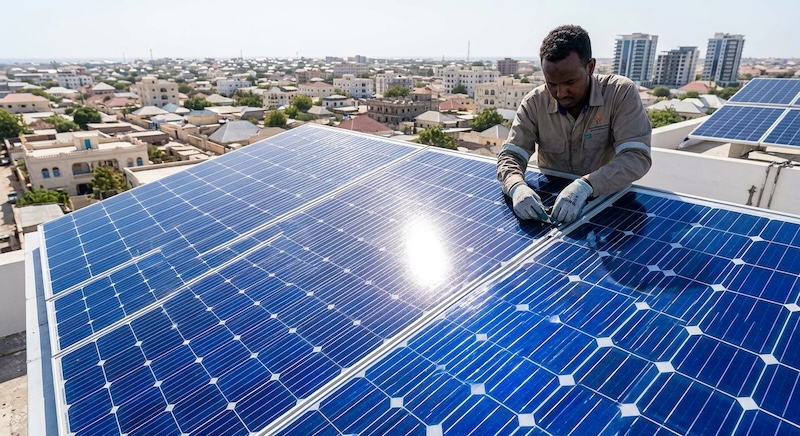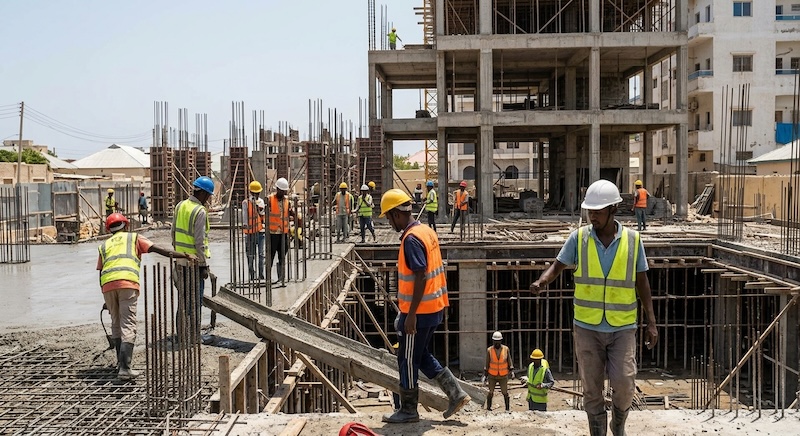


One notable trend is the rise of multi-story residential and commercial buildings in city centers, replacing single-story structures that once dominated the landscape. Developers and architects are increasingly incorporating passive cooling strategies, such as high ceilings, cross-ventilation, and shaded courtyards, to manage Somalia’s hot climate without excessive reliance on mechanical air conditioning. These design choices respond directly to the practical realities of energy costs and grid reliability in Somali cities.
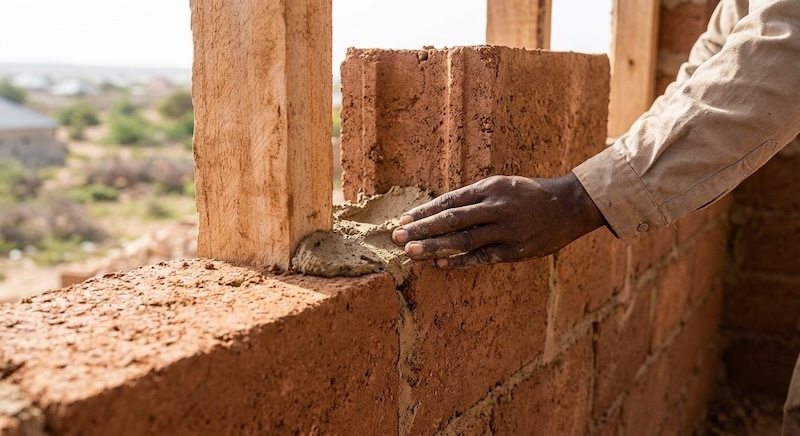
Somali architects trained abroad and returning diaspora professionals are also introducing global design sensibilities while remaining rooted in local materials and traditions. Coral stone, a material historically used along the Somali coast, is seeing renewed interest for its thermal properties and aesthetic character. At the same time, glass facades and steel-frame construction are appearing in commercial districts, signaling growing confidence from private investors.
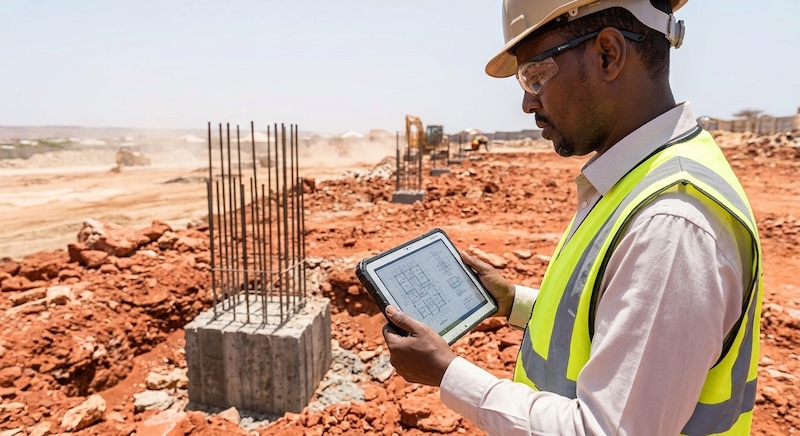
Public buildings, including government offices, universities, and hospitals, are also being redesigned with an eye toward durability and modern function. Given the country’s history of infrastructure damage, many new architectural projects prioritize structural resilience alongside appearance, often incorporating reinforced concrete framing and improved foundation work to withstand both environmental stress and the pressures of rapid urban growth.
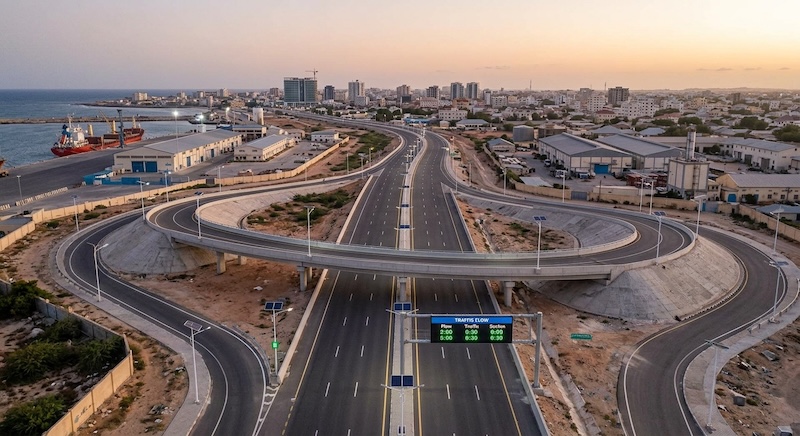
Beyond individual buildings, urban planning conversations are gaining traction in Somalia’s largest cities. Local municipalities, sometimes in partnership with international development organizations, are beginning to explore zoning frameworks, road networks, and public space design as part of broader city masterplans, marking a shift from purely reactive construction toward deliberate architectural strategy.
As Somalia continues to stabilize and attract investment, architecture is likely to remain one of the most visible expressions of the country’s recovery. The buildings rising across its cities today are not just shelter, they are statements about resilience, identity, and the kind of future Somalis are building for themselves.