
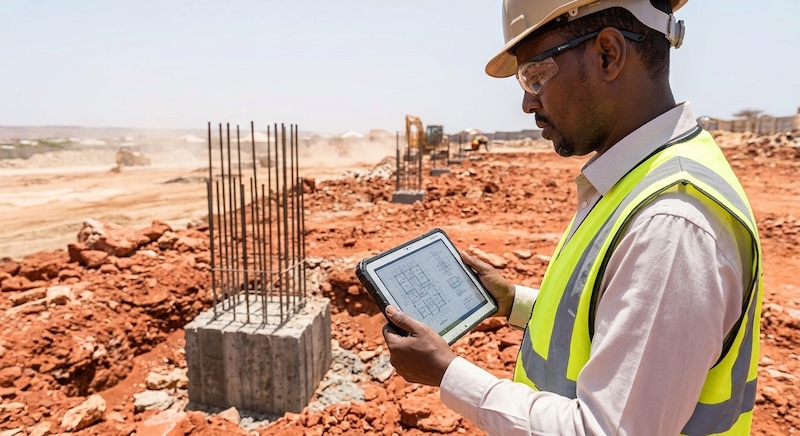
Engineering a building that will stand for decades requires more than sound architectural vision, it demands a deep understanding of the environment the structure must endure. In Somalia, structural engineers face a distinctive combination of climatic and geological factors that shape nearly every design decision, from foundation depth to material selection.
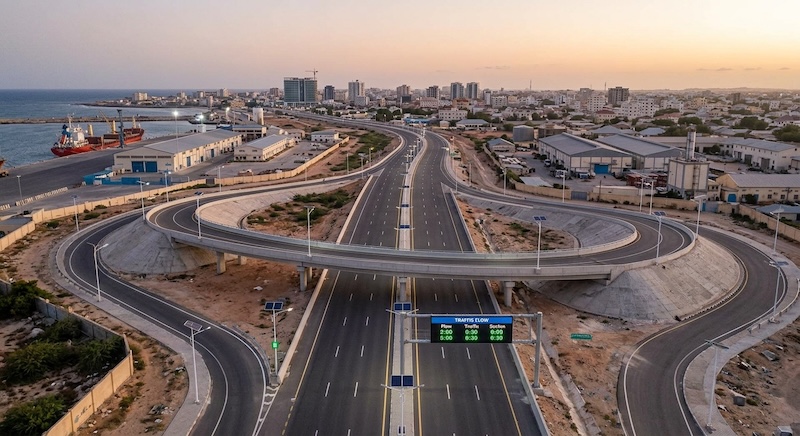
Somalia’s coastal cities, including Mogadishu, Kismayo, and Bosaso, contend with high humidity, salt-laden air, and periodic strong winds coming off the Indian Ocean and Gulf of Aden. Salt exposure accelerates corrosion in unprotected steel reinforcement, making corrosion-resistant materials and proper concrete cover essential considerations for any coastal structure.
Inland regions present a different set of concerns. Seasonal rains, though less frequent than in more temperate climates, can be intense when they arrive, and poor drainage planning has historically contributed to flooding and foundation problems in low-lying urban areas. Site grading, drainage design, and foundation elevation have become central parts of structural planning in flood-prone districts.
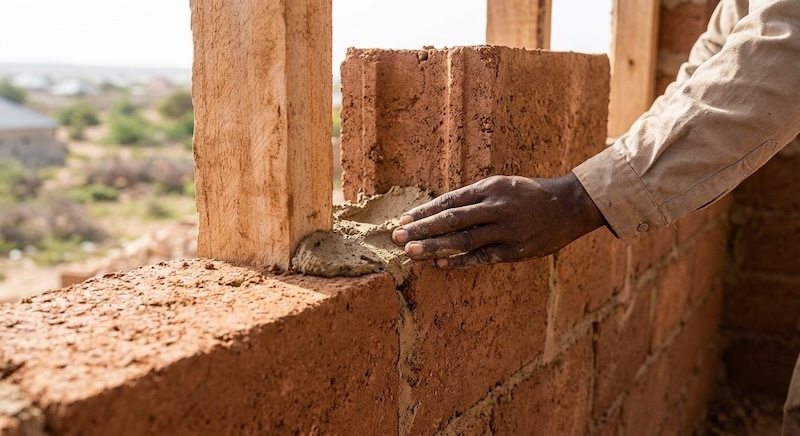
Soil composition across Somalia varies considerably, from sandy coastal soils to firmer inland ground, and geotechnical assessment before construction is increasingly recognized as a critical step rather than an optional one. Understanding soil bearing capacity helps engineers determine appropriate foundation types for safely supporting larger structures.
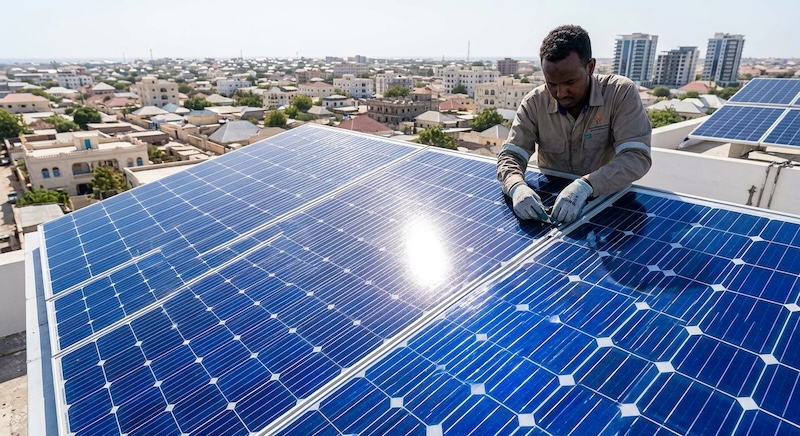
Somalia’s climate also brings sustained high temperatures, which affect both material behavior and occupant comfort. Many engineers now incorporate expansion joints and reflective or insulating roofing systems to reduce heat gain and structural stress caused by daily temperature fluctuations.
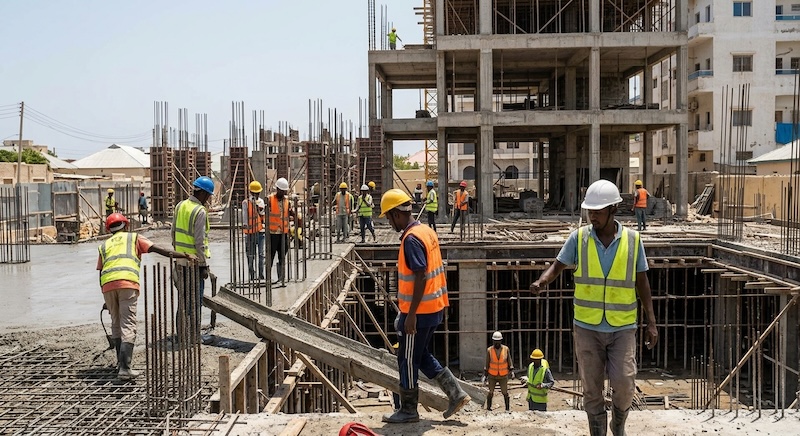
As Somalia’s cities grow taller and denser, the role of rigorous structural engineering will only become more central to ensuring that new buildings are not just functional, but genuinely safe and durable for generations to come.